The core mandate of most Central Banks is clear: ENSURE PRICE STABILITY (A select few, like the Fed, also target maximum employment).

But their recent behaviour does raise this fundamental question: are they still solving the price stability problem? or have they conceded that fight?

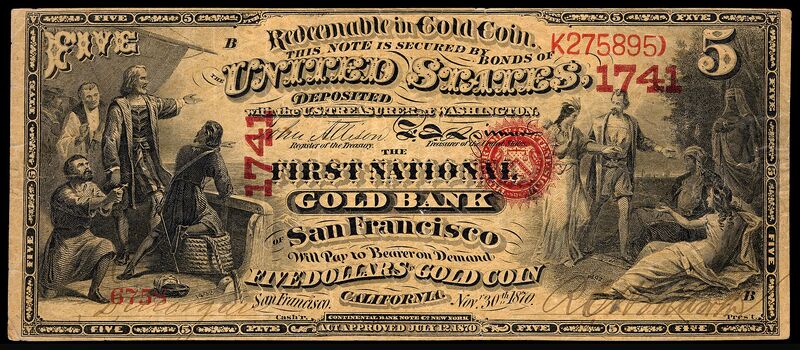
This is fundamental because Central banks, the very institutions tasked with fighting inflation, are in a historic panic-driven gold rush.

Here is the data:

2022: 1,082 tonnes. That was the highest level since records began in 1950 and double the 2021 figure.

2023: 1,037 tonnes

2024: 1,045 tonnes. Marks the third consecutive year of a 1000+ purchase.

2025 (Projection): 600-700 tonnes, as de-dollarization and reserve diversification become entrenched policies.

The numbers show this is not a vague trend; it is driven by clear, repeat (but somewhat patchy) buying by Central Banks worldwide.

Why do I say, ‘somewhat patchy’?

Well, look at some of these buying patterns:

The PBOC paused its 18-month gold-buying streak in mid-2024, only to resume months later.

After a record 2022 purchase, Turkey briefly turned seller before launching a new, ongoing 27-month buying streak.

And then, there are some non-traditional buyers showing clear intent in 2025.

Which Central Bank has made the highest net purchase of Gold this year?

Russia?

No.

China?

No.

Surely Indonesia then?

No.

It’s Poland.

Next largest buyer?

China?

No.

It’s Kazakhstan.

The frenzied nature of the buying from the very fountainheads of monetary policy is unusual.

Central Banks are expected to combat inflation using interest rates and liquidity operations. Not by hoarding a ‘store of value’ themselves.

So, why the frenzied buying?

If it is to hedge themselves against the very inflation they are mandated to control, then it’s ironic!

Geopolitical concerns and the threat of confiscation of reserves are valid, but is that enough to justify this scale of buying?

1000+ tonnes? Year-after-Year?

This leads to two critical points:

1. What happens when Central Banks realize that their massive gold stockpiles generate zero cash flow? There is a massive opportunity cost there!

2. And if these are the leading moves to build a war chest to pay down ballooning public debt, then history offers a stark warning.

Look no further than the Central Bank Gold Agreement (CBGA) of the late 1990s. Coordinated selling to manage the price led to a 10+ year bear market.

Now, imagine the reverse: A coordinated gold sell-off (again!) by indebted nations could trigger an unprecedented price spiral.

Central Banks’ gold stockpiling ultimately reveals a lack of confidence in the fiat system they oversee.

In other words, Central Banks are preparing for a scenario that their own policies may have helped create.

Traditional Central Banking as we knew it appears well past its shelf life.

And that may not really be a bad thing.

By

Avinash Menon, CFA

Founder and CEO,

52 Seconds Capital Limited

Other New Articles

The Federal Reserve’s blackout period begins today, silencing FOMC officials until after their July 29-30 FOMC meeting. No speeches, no interviews — just radio silence as markets wait for the next policy decision.

As a tradition, this is as quaint as it gets.

And is in stark contrast to the barrage of tweets from the White House.

So yeah, in the showdown between the “Too Slow” Vs. “Data-dependent” schools of thought, much has been made of Powell’s supposed resistance to political pressure — particularly from Trump.

He has been cast as the lone hand pushing back against a belligerent White House.

But is Powell truly the independent steward of monetary policy that he has often portrayed himself to be? Or is the idea of an independent central bank more fragile than we admit?

The premise — that Powell is apolitical — does not pass a simple fact-check

Take 2019: an election year with President Trump relentlessly pressuring the Fed to cut rates. Despite a relatively stable macro environment, Powell delivered 75 bps of cuts, branding them as a — nebulous sounding — “mid-cycle adjustment.” In an election year, that looked more like a tactical concession.

Cut to 2024 — another election year, another administration. The Fed kicked off with a chunky 50 bps cut, front-loading the easing cycle even as inflation risks lingered. This time, the political beneficiary was a Democratic White House.

To be clear, this isn’t only about Powell’s acts during election years.

With the rare exceptions of Paul Volker (1984) (who hiked aggressively to crush inflation) and William Martin (1960) (who tightened the US into a recession, possibly costing Nixon the election; have a look at the excerpt — see image — from Sebastian Mallaby’s book “The Man Who Knew: The Life and Times of Alan Greenspan” and you will understand that Martin may have even been physically intimidated by the President Johnson!), all past Fed Chairs had also cut rates during an election year.

Definite patterns like these suggest that central bankers, while nominally independent, often act with a keen eye on political timing.

To be clear again, this is not about partisanship — Powell’s actions appear politically symmetrical and not anchored to any ideology.

But that symmetry itself reinforces the point: independence, in practice, is conditional.

Central banks do not operate in vacuums or only within the ambit of a monetary policy — they operate within political, monetary, and fiscal realities.

The narrative of the lone, data-dependent policymaker is tidy.

But the reality?

Its bops you right on your face during an election year.

And looking ahead — with grim humour — the next Fed Chair may not even need to posture as “independent.”

The next Fed chair’s job description might well be reduced to something simple:

“On ye rests the duty to cut the Fed rate to a big, beautiful ZERO — and keep it there until we have a handle over our IOUs.

Thank you for your attention to this matter”

By

Avinash Menon, CFA

Founder and CEO,

52 Seconds Capital Limited

Other New Articles