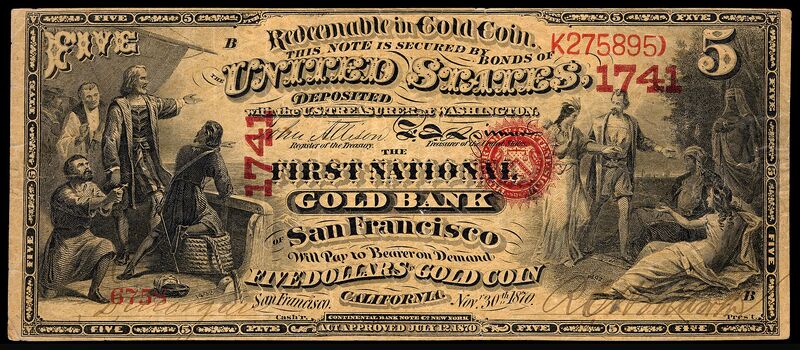
Javier Milei, Argentina’s leading candidate, in the presidential elections slated to be held next week, has proposed an unorthodox idea to combat his country’s rampaging 138% annual inflation rate: dollarizing the economy.
Dollarization, a colloquial term to refer to the adoption of the USD as legal tender, by substituting the Argentine Peso with the USD, comes across as a common-sense solution to snuff out hyperinflation. By substituting its beleaguered domestic currency with the USD and shutting down the country’s central bank (ostensibly to prevent it from cranking out reams of domestic currency to finance the country’s ever-yawning fiscal deficits), Argentina hopes to arrest the death spiral of its domestic currency (the Argentine Peso sunk to a new low of 1000+ Vs. The USD a couple of days ago).
This [substitution] is, in effect, expected to break the back of hyperinflation immediately since a full substitution completely eliminates the risk of depreciation to the local currency.
Argentina wouldn’t be the first country to attempt a dollarization…
Ecuador, El Salvador and Panama are some examples of countries that have adopted the USD as legal tender in the past. In the current era, Zimbabwe’s move to dollarize (after hyperinflation tipped past a daily rate of 100% in late 2008) met with some success with inflation averaging about 43% from 2009 until 2023.
… but as a $632 billion economy, it will be the largest Emerging Market to attempt it yet.
For a country that’s now developed an iron-clad reputation as a serial-defaulter on Foreign Currency Debt, is currently the largest debtor to the IMF and which, in 2002, due to its weak fiscal discipline, had (prematurely?) pulled the plug on its currency board regime, there appears to be little choice now but to adopt the USD as new legal tender.
The Argentine attempt to dollarize piques the curiosity of any EM Debt investor, especially when viewed in the context of Argentina’s size as the second largest economy in South America.
When asked, in 1939, about the role that the Soviet Union might play in the second world war, Churchill replied: “It’s a riddle, wrapped in a mystery, inside an enigma”.
That was his best attempt to describe a situation he found difficult to comprehend.
You may well use the very same words to describe the Argentinian plan to dollarize its economy.